












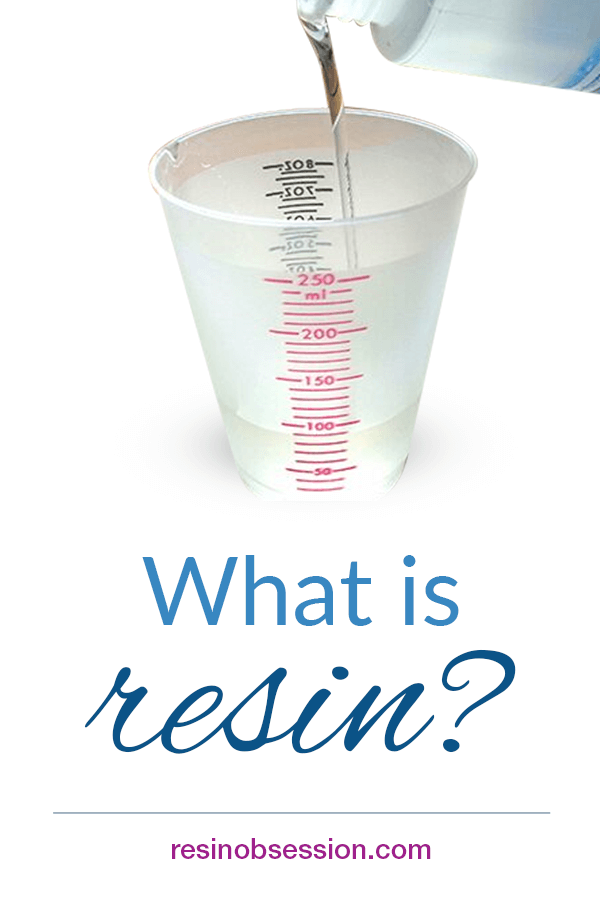
I’m guessing you’re writing a paper on ‘what is resin.’ Otherwise, I have no idea why you would want to research this topic.
Because if you want to learn how to craft with resin, I’ve got better articles than this one to get you going. Here are a few of our most popular:
- How to choose the best epoxy resin
- What every beginner needs to know about resin jewelry making
- How to fast-track your success with casting molds
- The beginner guide to making resin art
- How to preserve flowers in resin like a pro
Now before you continue, this will be the light version of ‘What is resin.’ I like to call it the ‘middle school science’ account of what it is. You know. Back when science was fun.
But there is one thing I’m definitely not covering.
I’m not talking about it as a by-product of smoking cannabis. If that’s you, you can back out of this article now. 🤣
Let’s get into the history
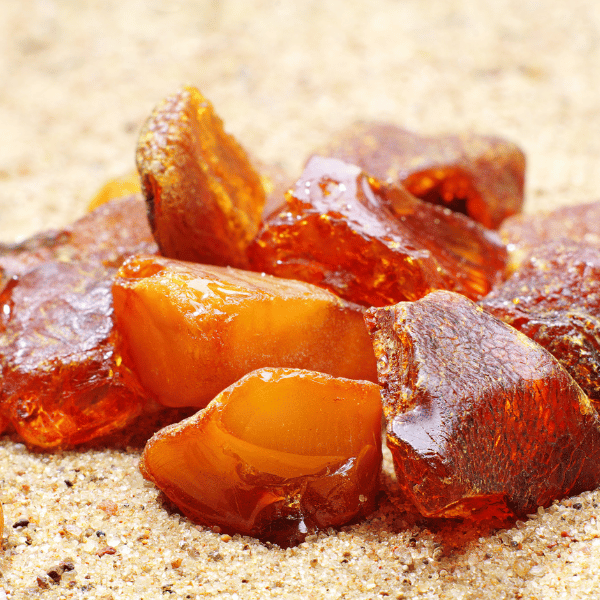
Resin is a unique compound that has been around for centuries. If you have ever seen a piece of amber, you have seen nature’s version of this liquid. Besides naturally occurring versions, we can make our own. That’s what we do for jewelry, art, and crafts.
Ancient cultures extracted the mixture into their beverages and smoked them to induce a dream state. (I’m guessing it’s related to that marijuana thing.) Greek culture believed that amber was sunlight captured in a solid form. The Greeks also learned that rubbing amber produced an electrical charge. So they named amber ‘electron,’ which the word electricity comes from.
Kinda cool.
In nature, trees secret resin as a way to protect themselves from pests. But, we like to do other things with it. Such as protecting our floors, countertops, and special photographs.
The most famous version in history is the ‘Amber Room.’ Construction started in 1701, for Frederick, the first King of Prussia. In 1716, Frederick gifted the room to Peter the Great. It was shipped to Russia and installed there. When the Nazis invaded Russia during World War II, they disassembled the room and sent it to Germany. Only never to be seen again.
⭐️ BONUS: This is quite a fascinating story. If you want to learn more, this podcast episode from Endless Thread goes into more detail.
Exactly what is resin?
Now hang with me here. I’m taking you through a bit of chemistry, but I promise to make it simple.
Here’s what’s most important:
Resin is a liquid organic compound that, under certain circumstances, will harden.
This happens when you add a hardener (two-part system) or expose it to UV light (UV resin). When the reaction starts, molecules bind together from long chains of molecules. This is what causes the liquid to harden.
Why use resin?
*Relatively speaking, it’s flexible. If you look beyond the art and jewelry industry, you will see it’s used to make furniture, trash bins, and other items. These are things that need to be a wee bit flexible to their contents when the weight or volume changes.
*It’s inexpensive, especially for making jewelry. Jewelry made with epoxy is less expensive than jewelry made from precious metals.
*It’s strong and durable when compared to its weight.
*It’s impervious to short-term water exposure.
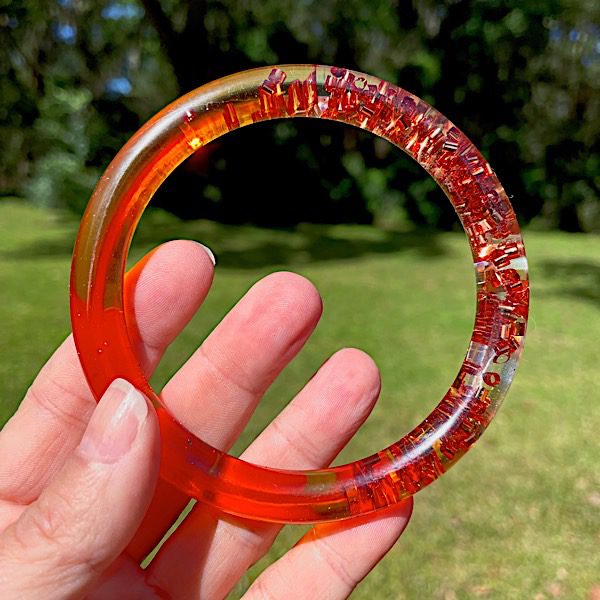
*It’s the great impersonator. You can color resin to look like almost anything – rocks, gemstones, glass. Your imagination only limits your opportunities.
Now you know why I love this stuff. It is a versatile concoction that serves purposes for lots of awesome art and crafts time.
⭐️ BONUS: Learn more about the different types of resin
What can you make with this liquid?
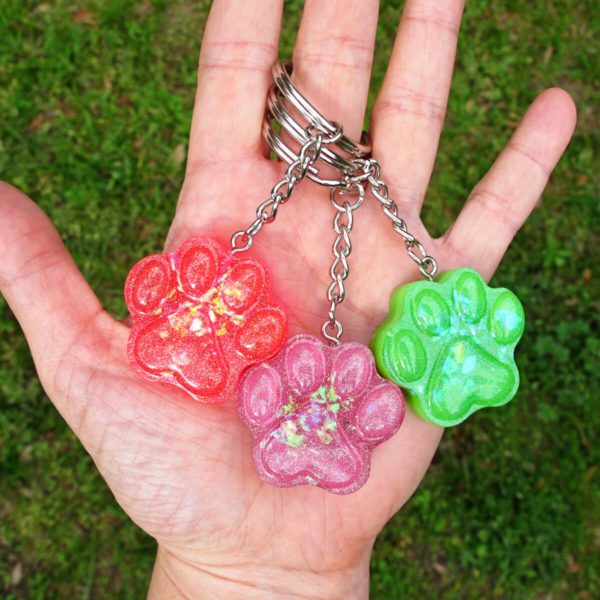
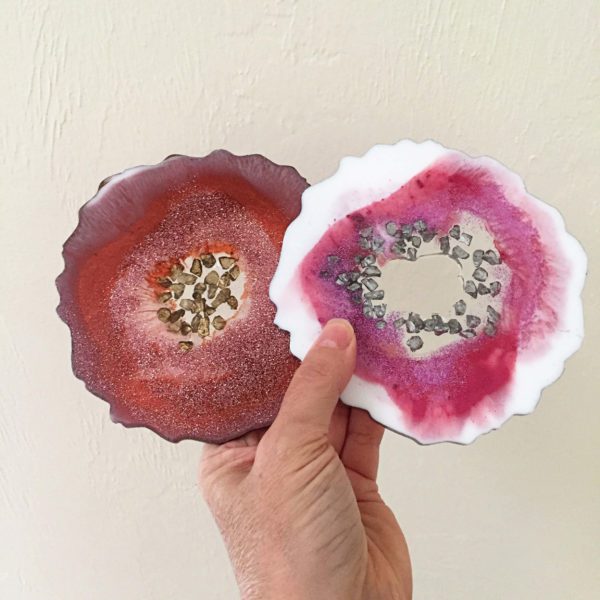
How about I show you? Here are a few of my favorite ways to craft with resin:

Want to learn more?
Then be sure to buy a copy of the PDF book Resin Fundamentals. The ebook will take you from confused to confident with epoxy in an afternoon.
Unpublished Blog Posts of Resin Obsession, LLC © 2023 Resin Obsession, LLC
Hi…. was wondering if you can use artists acrylic paint to color resin ?
Yes and no. This article details more: https://www.resinobsession.com/resin-resin-resin/how-to-color-clear-epoxy-resin/
Can Casting resin be used as a substitute to using epoxy glue? I have some marble and granite tiles I want to glue down to concrete. Will casting resin work for that?
Yes, it will work.
Ok, I was wondering if you did a thing on why is resin important? since you did what is resin I would think you would do why its important…
I’m doing a research project on resin and I’m almost done but I just need one more subtopic. Why is resin important?
Yeah. Sorry Leanna, not doing your homework for you.
Trees will secrete it, not secret it.
bind together to form, not from.
Proofreading is important!
Yeah, I like to live with no regerts.
Katherine, a nice read about the history of resin. I didn’t know. I’m busy making a trophy out of resin. I’ve seen videos where guys polish the cured resin. I’m going to try it. The end product looks like glass.
Hi Phillip, yes, you can polish resin. I’ve got an article about that too here: https://www.resinobsession.com/resin-frequently-asked-questions/how-to-polish-resin/
Apoxy glue vrs resin .what’s the!?diff
Hi Donna, if your glue has epoxy in it, then it works the same was as two-part epoxy.
Does resin last for years? I have some Christmas ornaments that are 20 years old and they are starting to break down a bit. Versus the ones you find in the stores that are very heavy on the tree, these are lighter in weight but they are starting to look a bit crumbly. Does resin last or are these actually resin? Thanks!
Hi Gail, I wouldn’t expect resin to be crumbly after 20 years. I suspect your ornaments are made of something else.