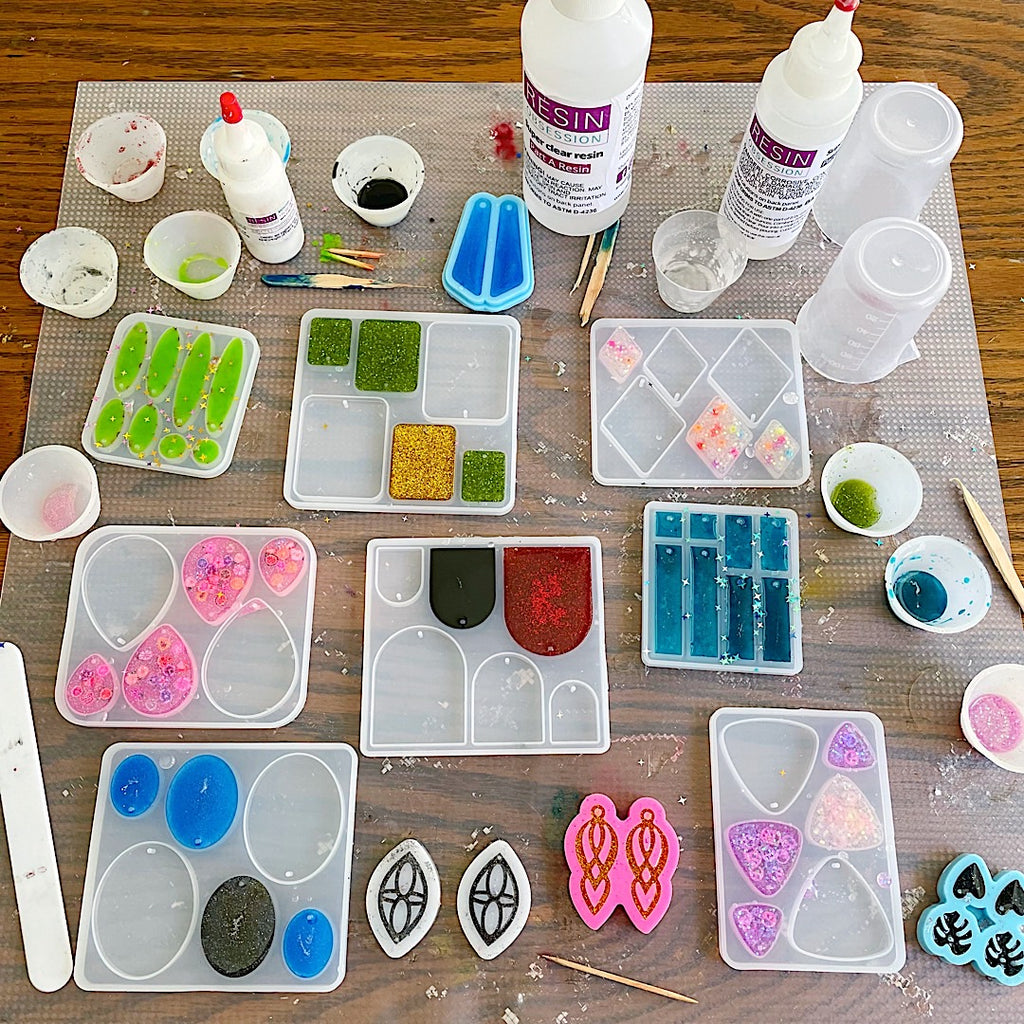
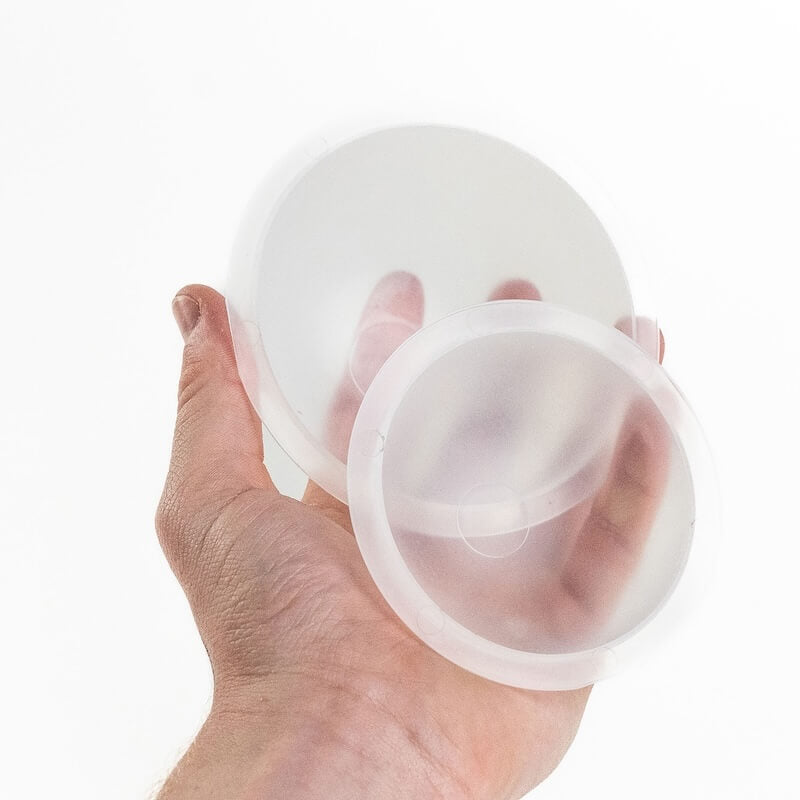
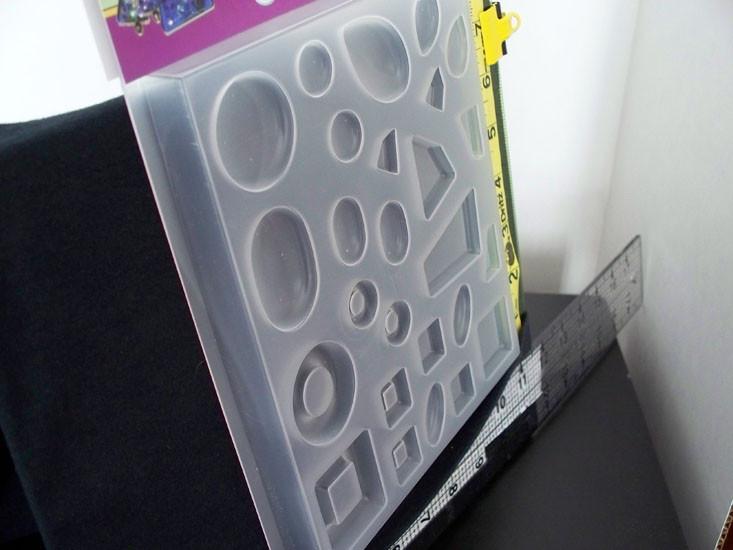
Plastic moulding is the various plastic moulds in which resin is poured to make resin castings. Moulds are readily available in a wide variety of forms that allow you to create unique resin jewelry, souvenirs, drawer handles, wall plaques or clocks, sun catchers, soaps, and even chocolates or cheese. It is vitally important to use only "food-safe" plastic moulds specially manufactured for use as food moulds. You will be able to fashion a dazzling array of beautiful resin items and jewelry using different combinations of resins, dyes, and artifacts to embed: your only limits are your imagination, available time, and skill.
A vast number of ready-made plastic moulds are available for purchase, or you can craft and make your own silicone moulds. The actual mould trays used for plastic moulding can be simple and stylish, or as strikingly detailed as you can imagine them to be. Embedding charms or other unique artifacts in the resin in the plastic mould of your choice will produce one-of-a-kind jewelry which will capture everyone’s attention.
Plastic moulding is durable and reusable; they come in self-releasing polypropyleneand polyethylene plastic moulding, used especially with clear polyester resin or epoxy resin like ResinObsession SuperClear. Although essentially self-releasing, using a mould release/conditioner each time a mould is used is highly recommended. It cleans, conditions, and extends the life of your moulds through many castings. Castin'Craft Mold release Conditioner is odorless and solvent-free, and is also one of the most frequently recommended release/conditioners on the market. A more advanced type of Mold release is the Ultra 4 Mold Release. It is as easy as 1-2-3 to make your own jewelry with plastic moulding and resin. Before starting, it is, of course, always a good idea to protect your work area with freezer paper, waxed paper or trash bag. After removing any dust, accumulated grime, or resin from the mould, simply spray it with mould release/conditioner, and you are ready to begin casting your resin creation. Because many resins rely on internally produced heat for curing, it is a good idea to warm the before using them. This is especially useful when you are making a series of castings for group souvenirs or to sell.
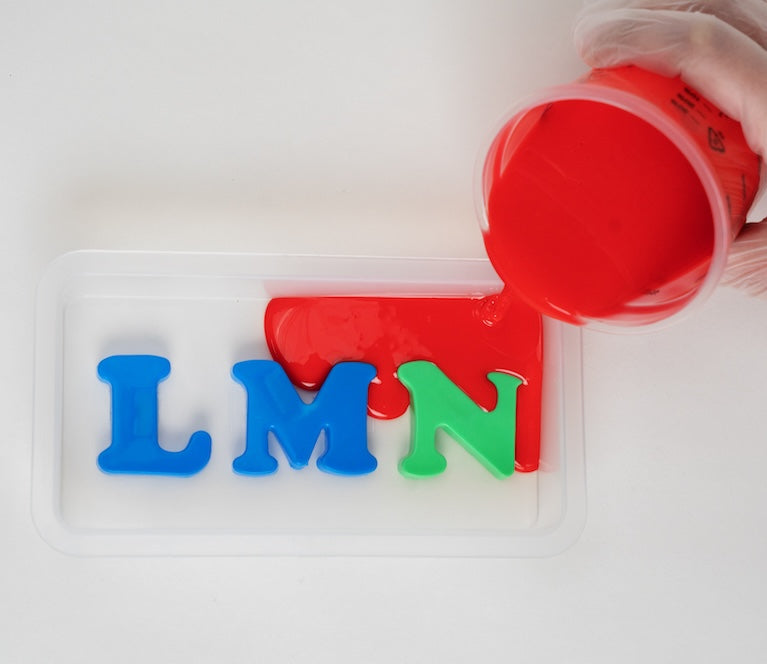
Make sure that the mould is on a level surface, and then fill the mould cavities to just below the top. Once the pieces are cured, simply flip the plastic moulding tray over, and press the center of each piece to release it, flexing the mould if necessary.
The best source of resin-making materials and supplies is a site created by a resin craft enthusiast. One such site is ResinObsession. It is an online store started by Cindy, the ResinLady extraordinaire. She now stocks a large inventory of many different types and shapes of plastic moulding for you to choose from and mould-making materials for you to create your own silicone moulds. Katherine would be pleased to custom make a silicone mould for you, or to answer any questions you may have concerning your resin project. Purely and simply, she loves resin-making—and she’s delighted to share her knowledge with other resin crafters whether beginners or experts.